top of page
Dezerter Bazaar
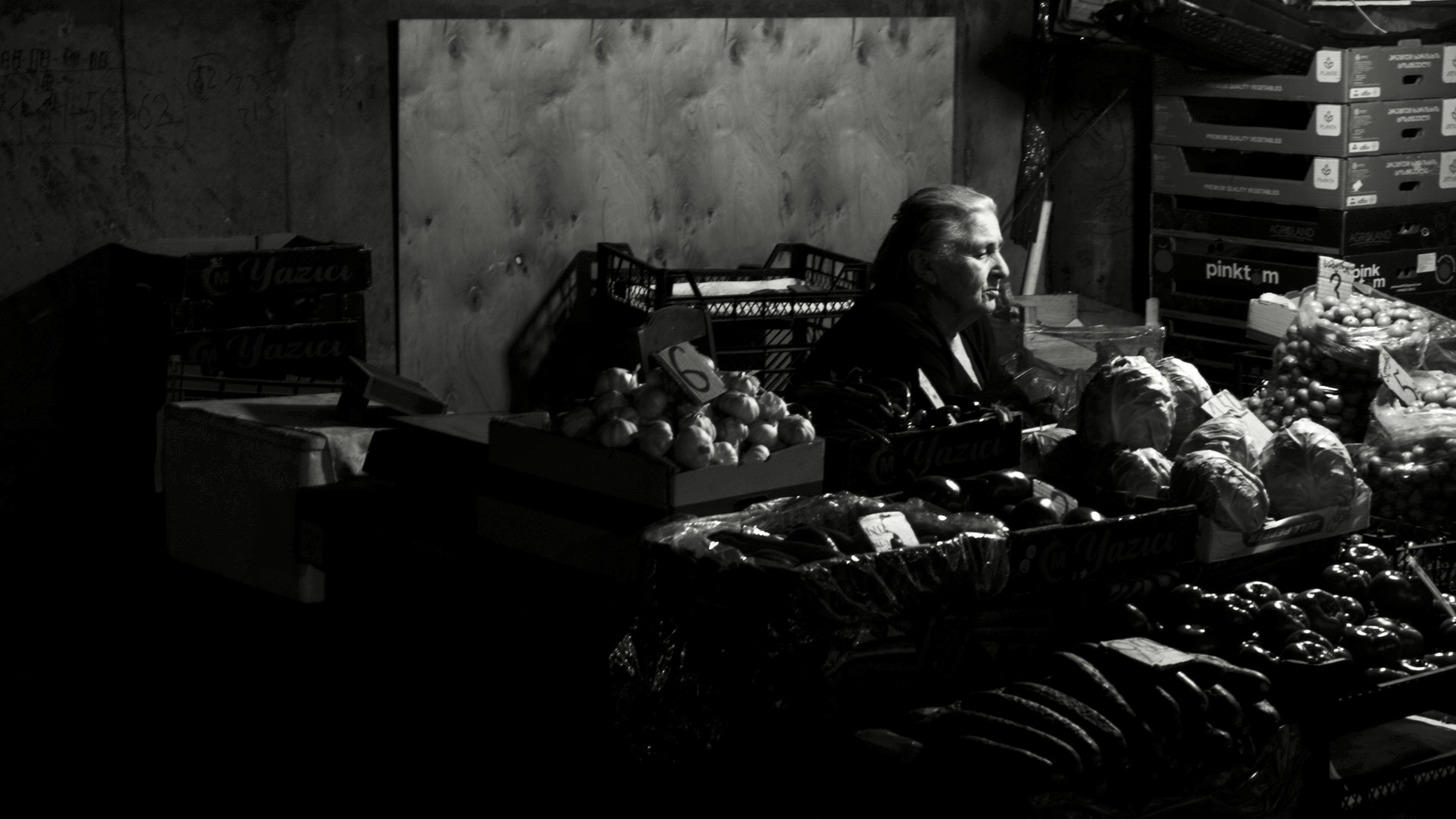
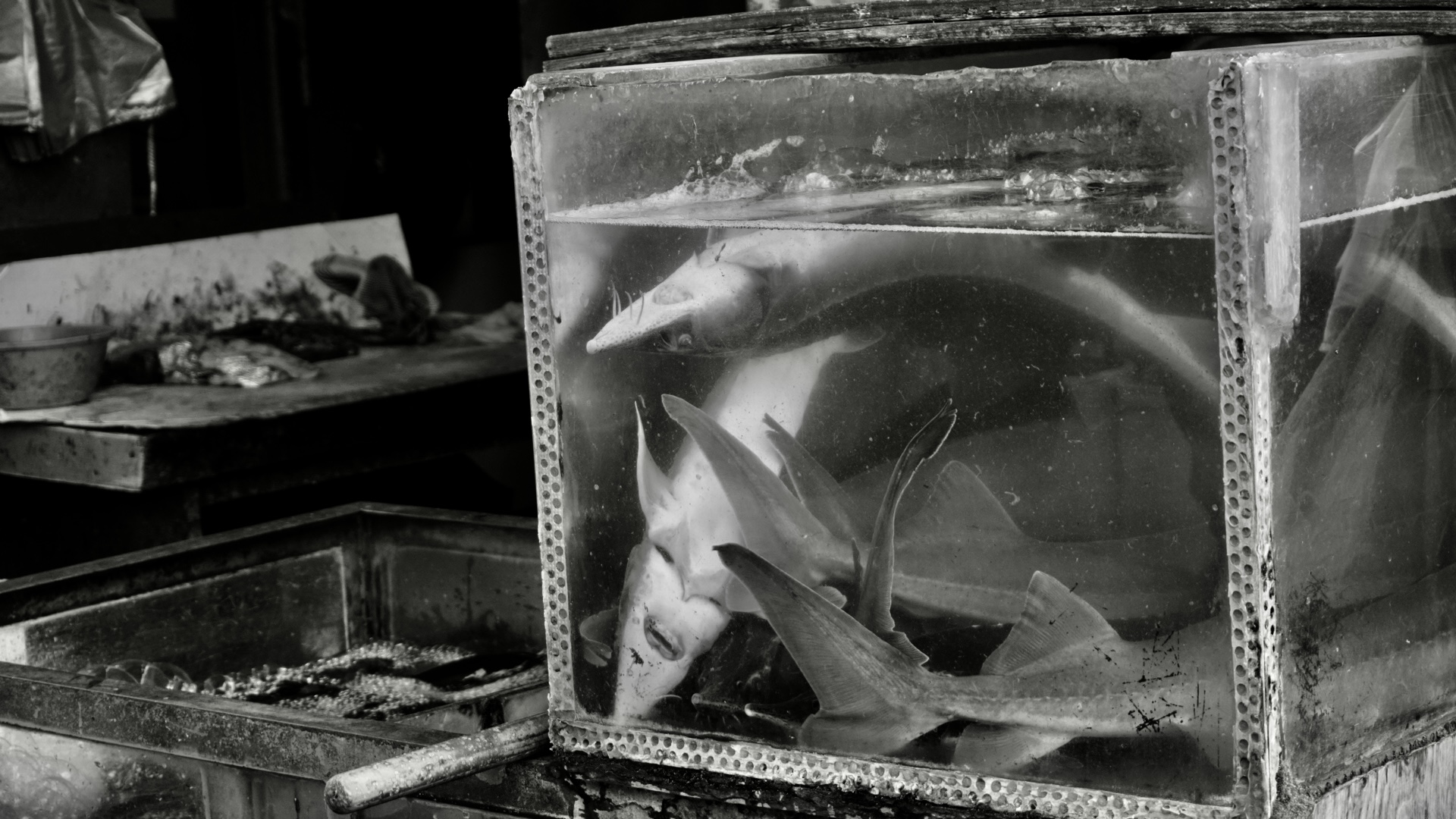
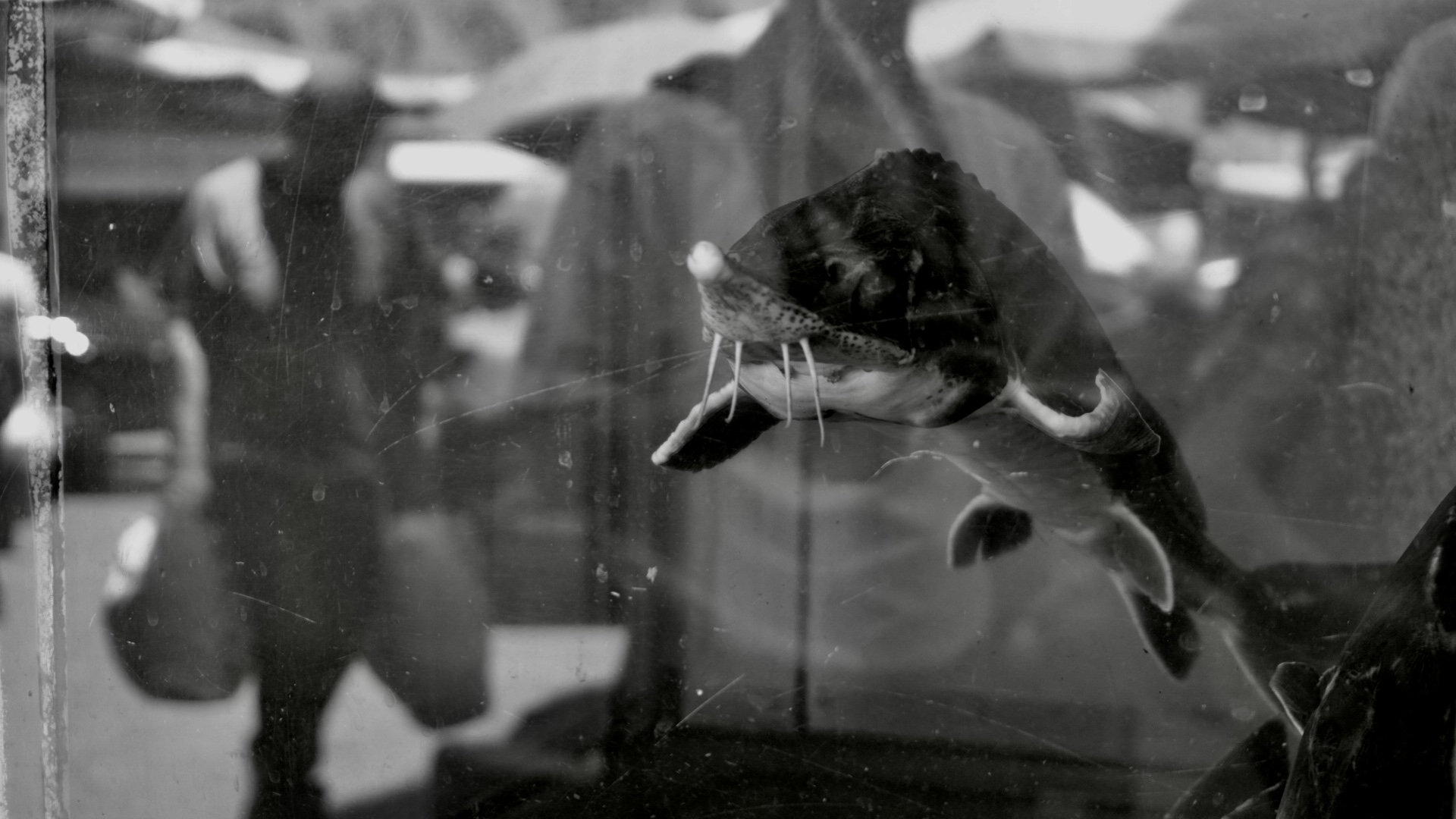
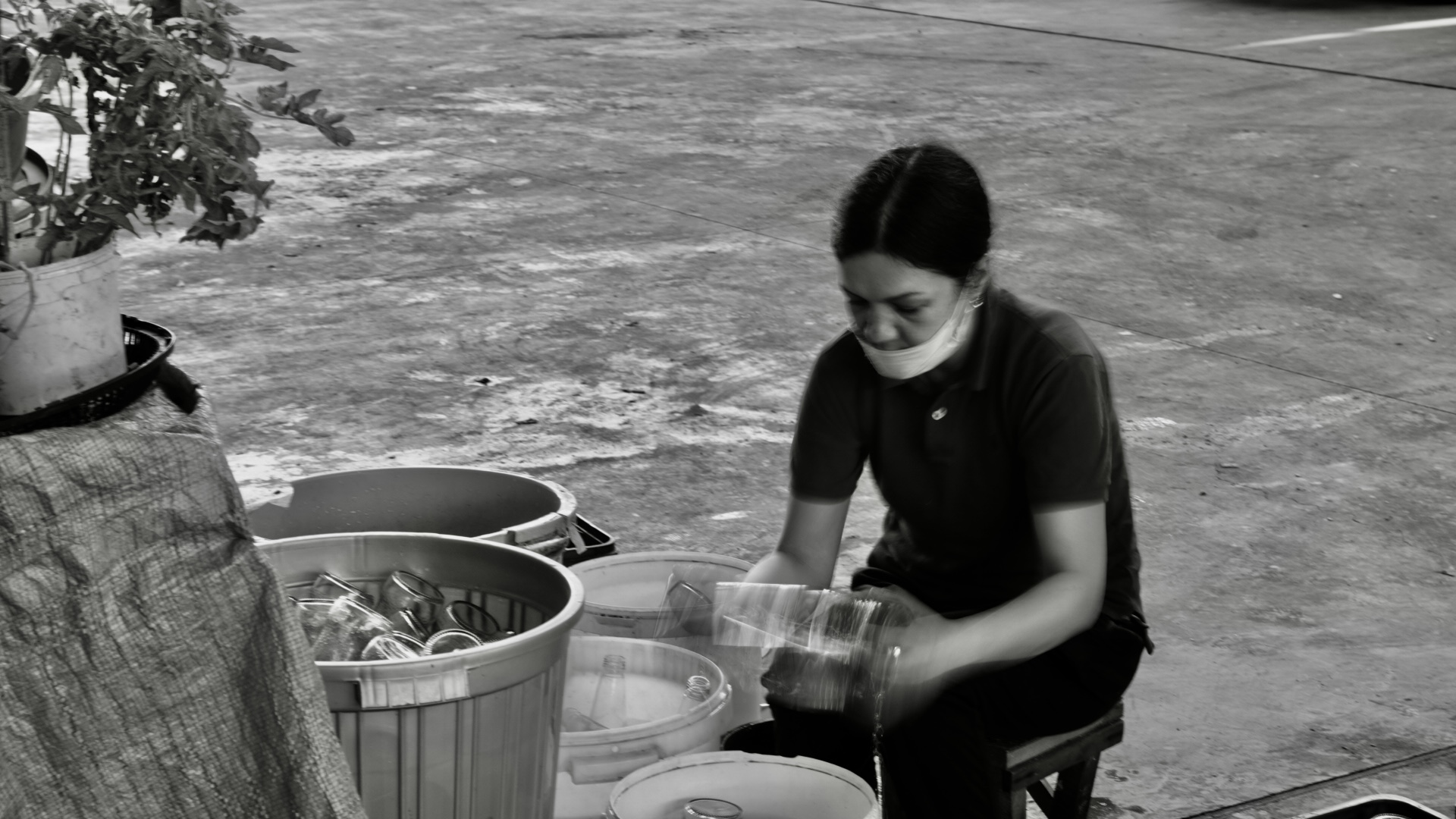
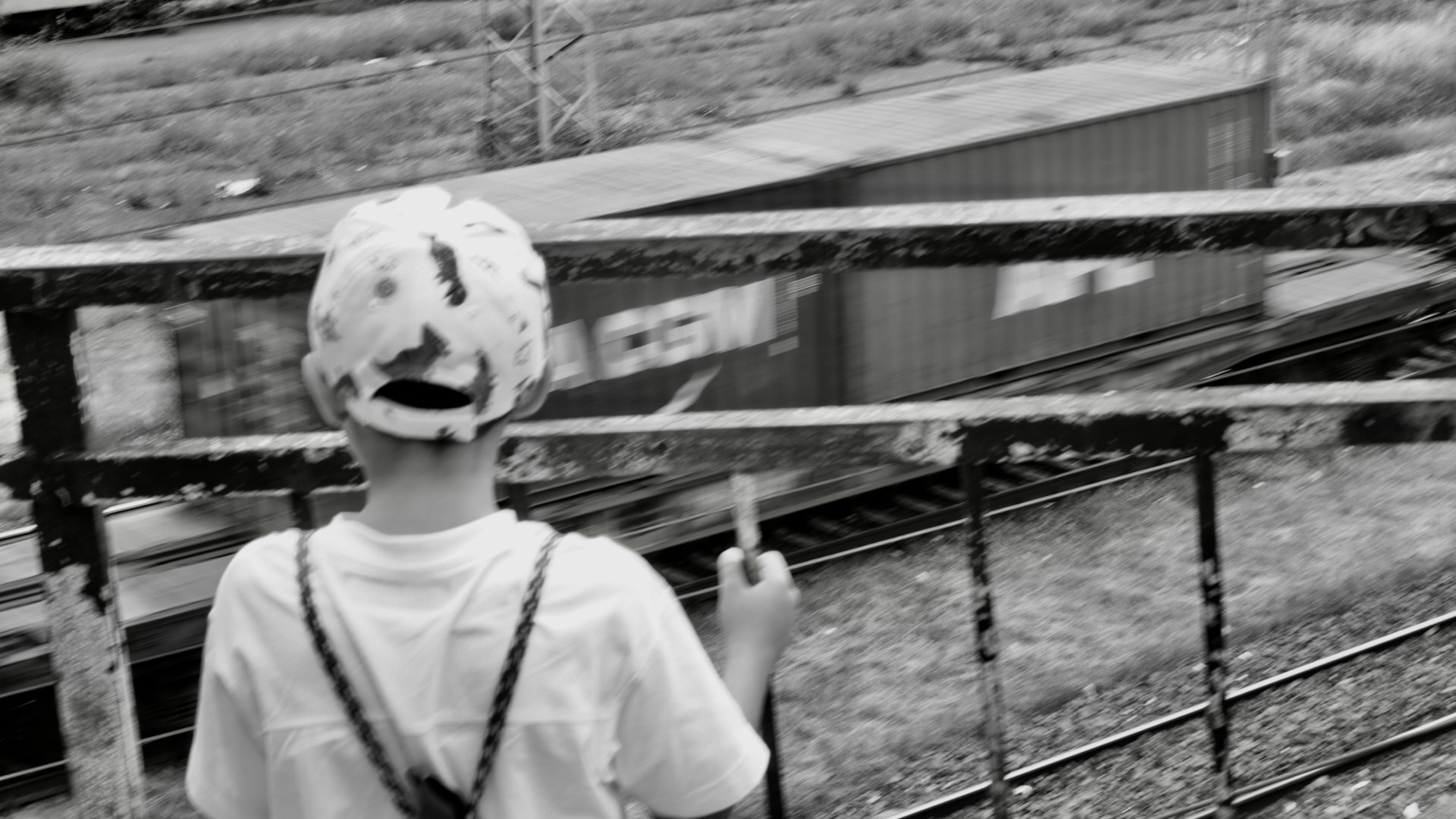
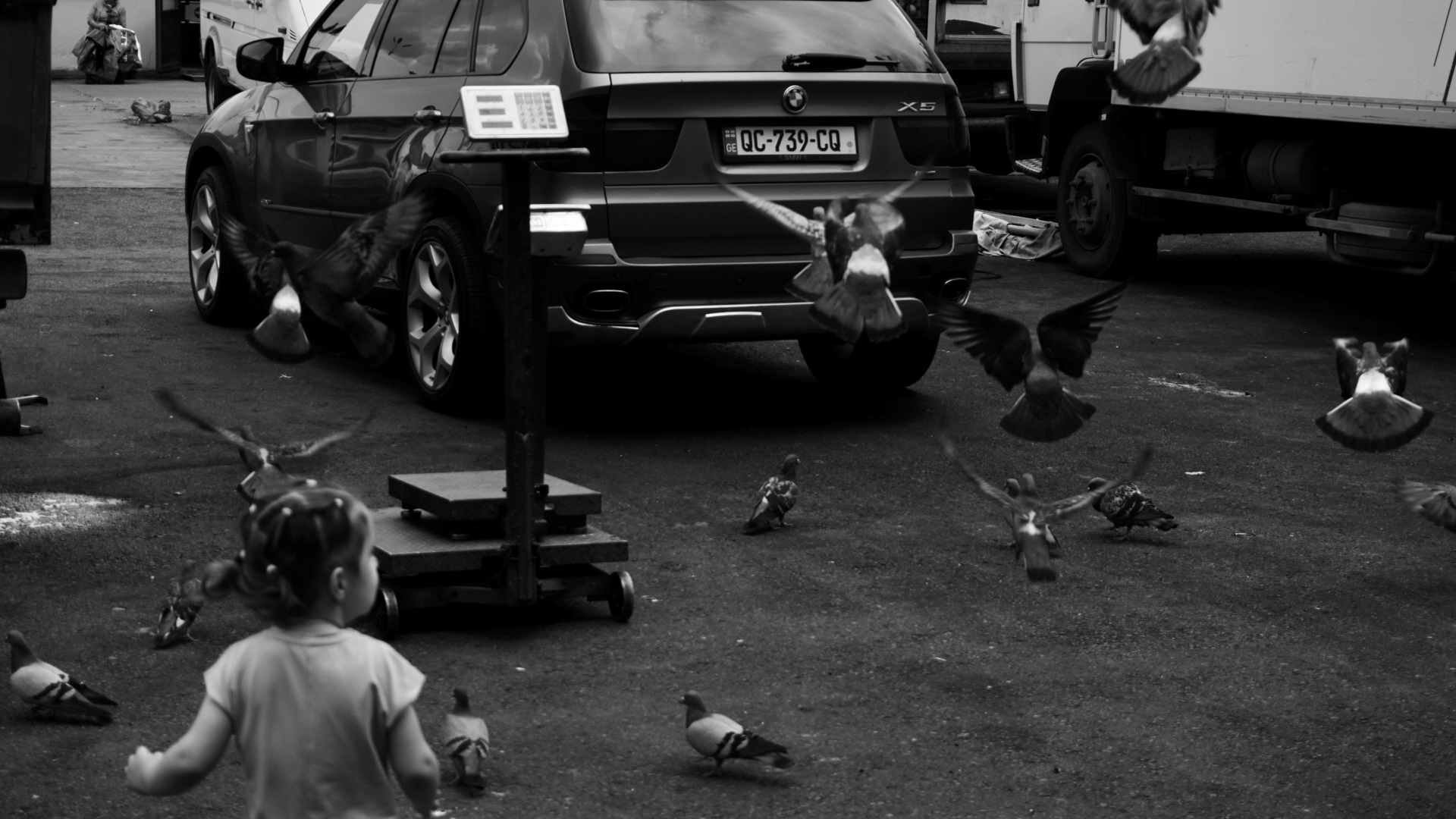
As a child, my mother would take me to the Dezerter Bazaar to buy food and household supplies. Prices there were considerably lower than at regular grocery stores, but the experience came at a cost of its own. You had to navigate chaotic passages between crowded stalls, search for what you needed, and negotiate with vendors over every price.
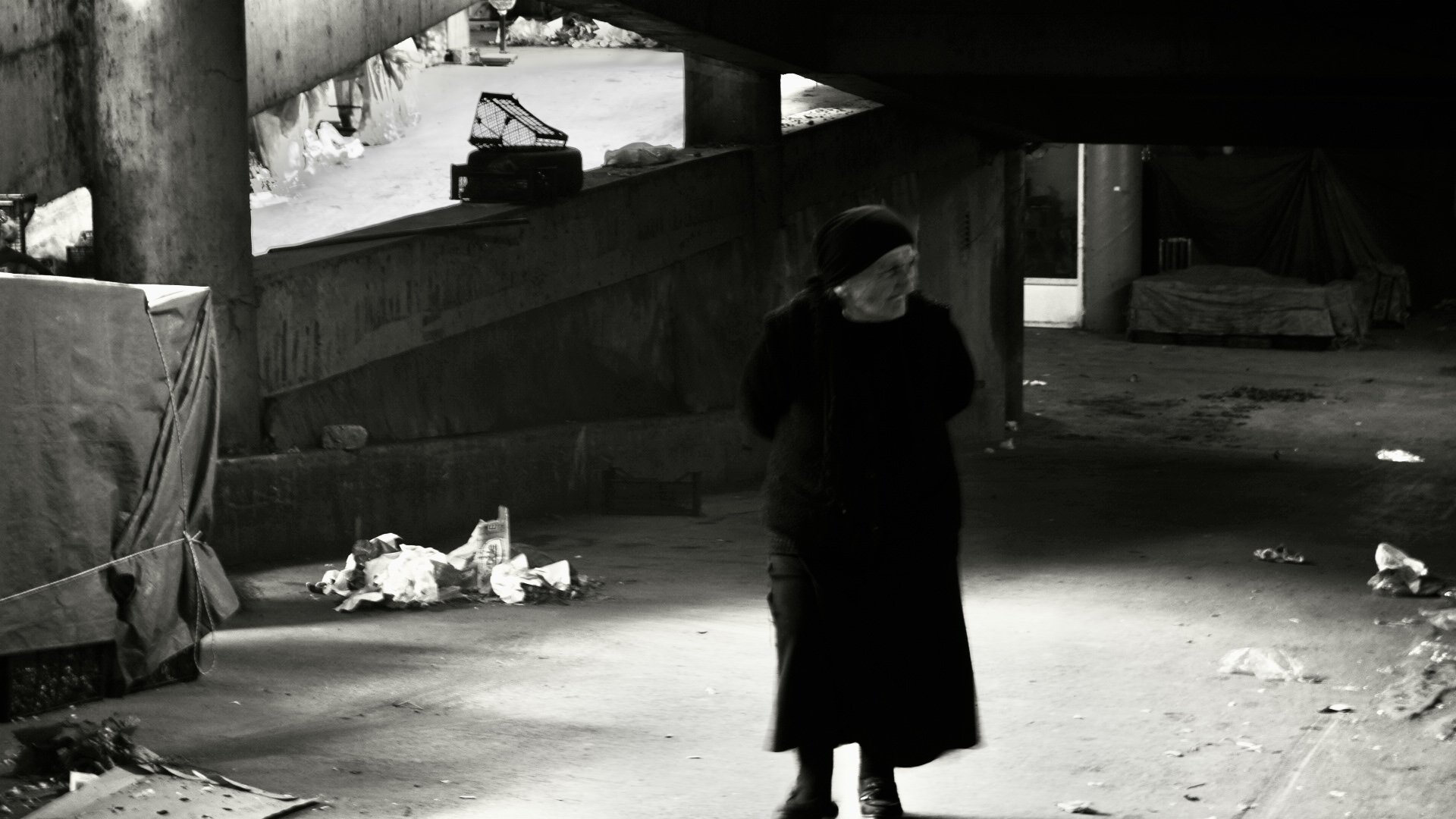
I disliked going there. We could not afford the convenience of a regular grocery store, so the bazaar was not a place we chose to visit—it was a place we had to go. I remember feeling a certain weight every time I entered. There was something exhausting about the atmosphere: the crowds, the noise, the constant movement, and the sense that very few people were there because they wanted to be.
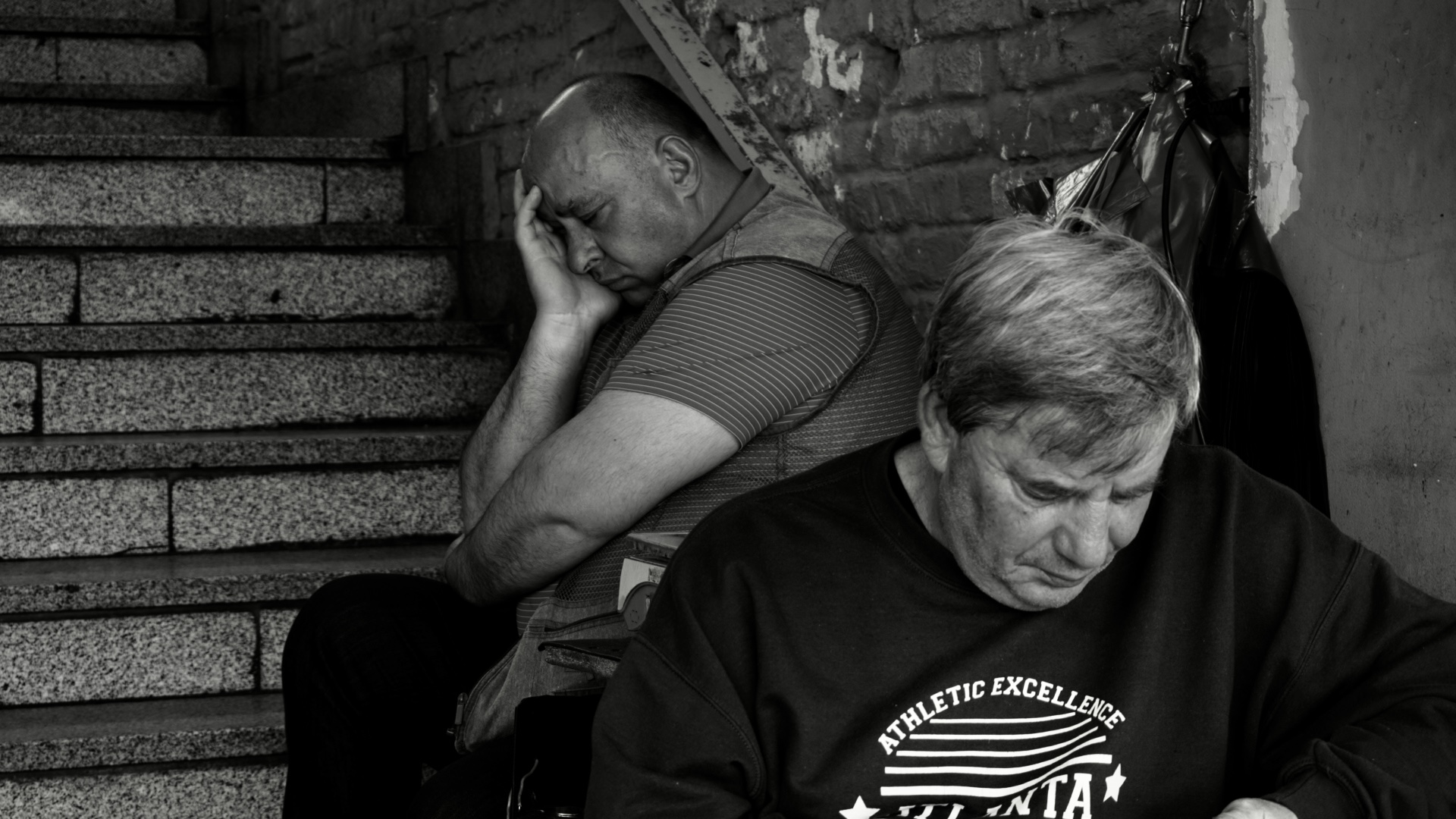
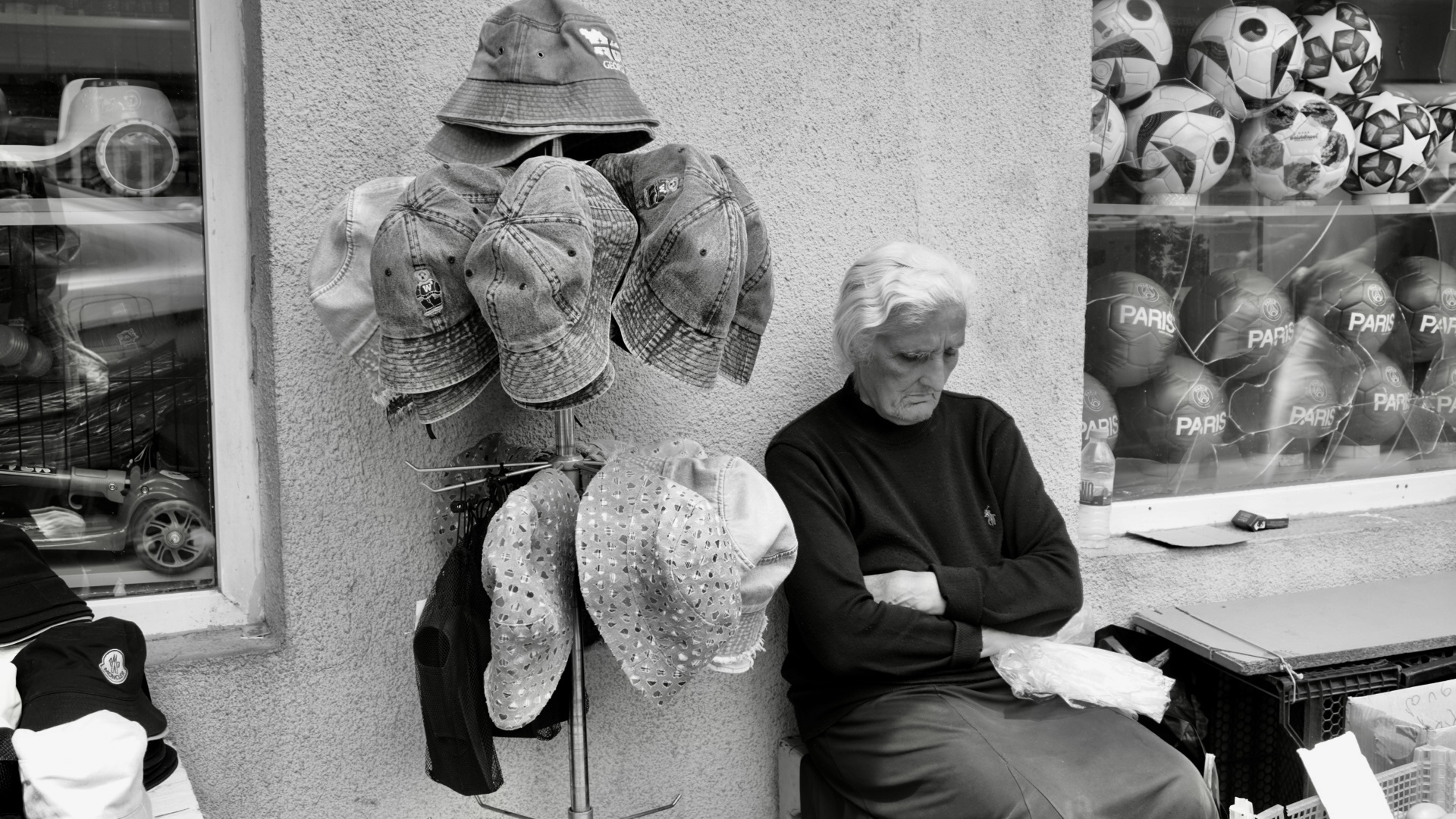
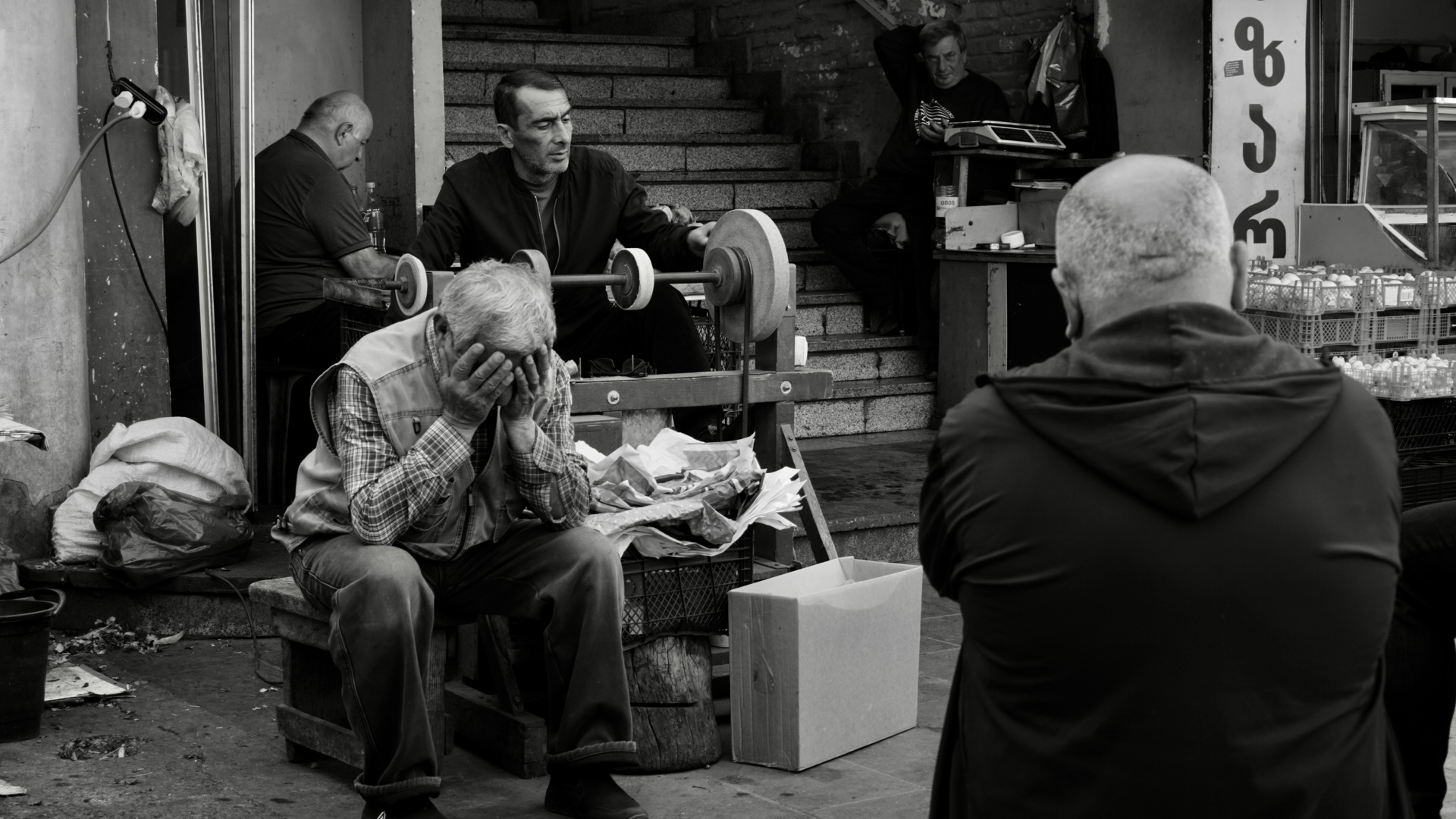
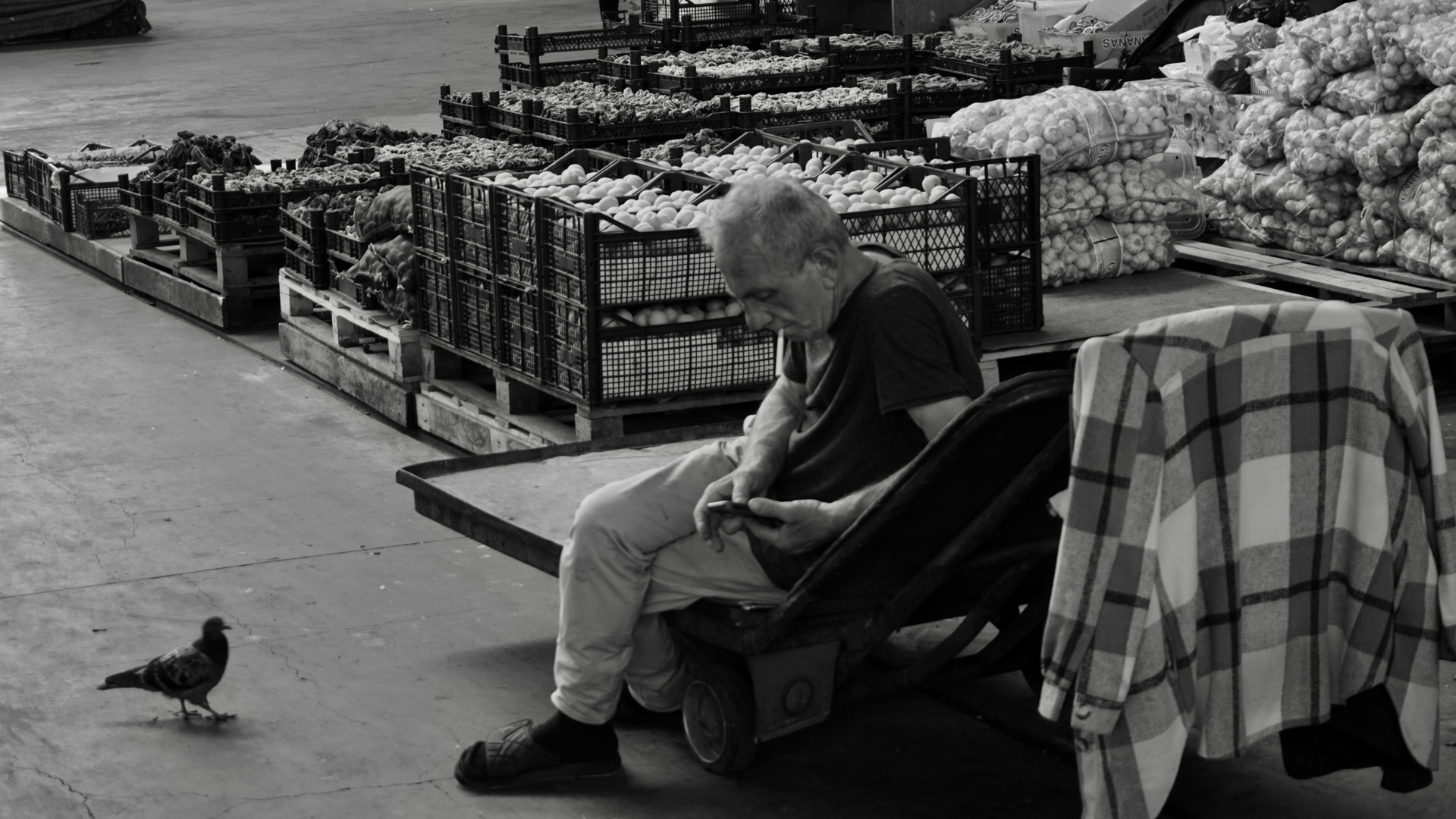
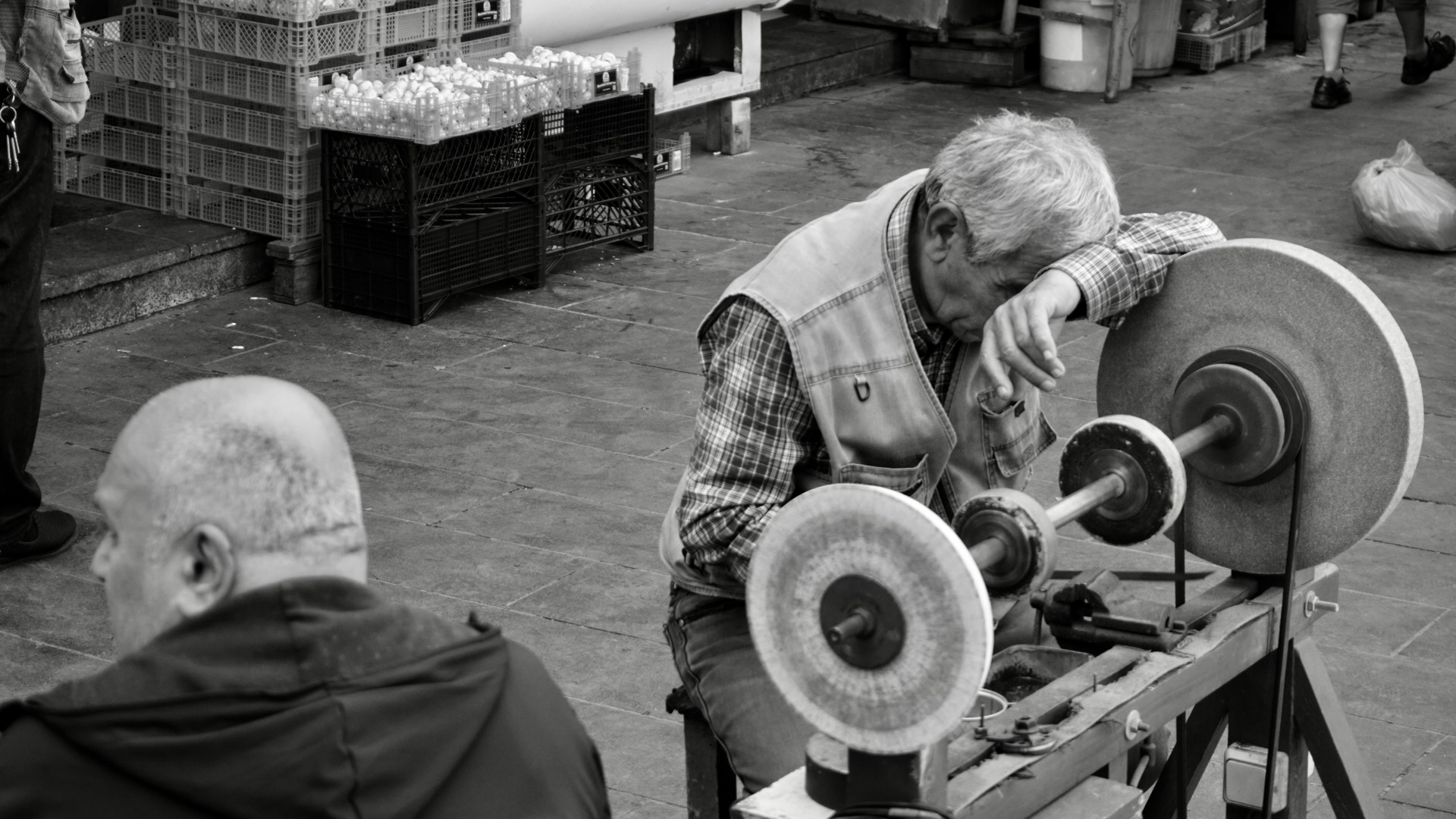
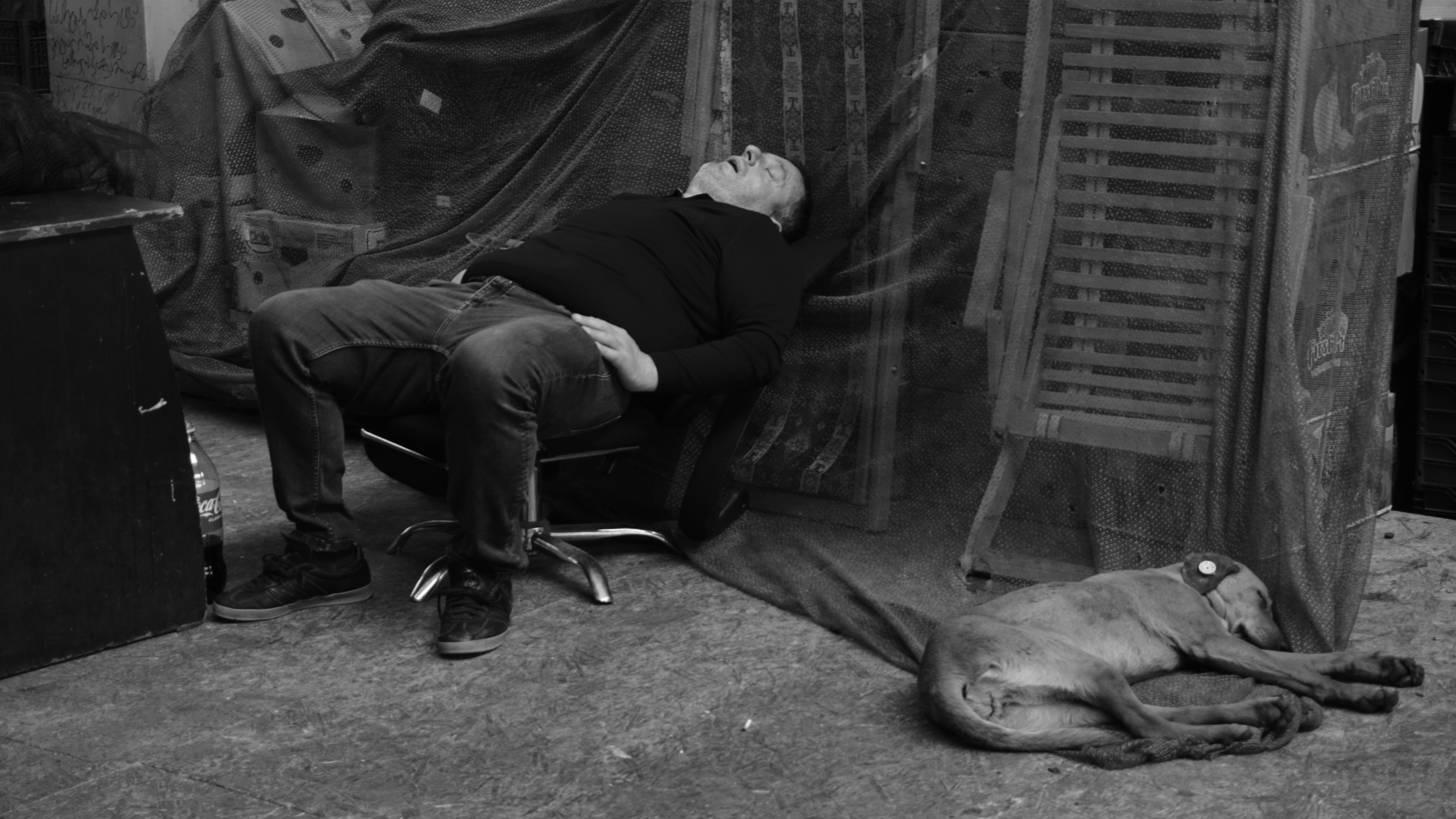
Yet, alongside this feeling, I remember something else. Beneath the exhaustion and hardship, there was a quiet sense of fortitude. People seemed to carry the difficulties of everyday life without making a spectacle of them. There was a solemn dignity in the way they worked, traded, waited, and endured—something I rarely noticed elsewhere in the city.
I left Georgia and lived abroad for seven years. During that time, the Dezerter Bazaar gradually became a place that existed only in my memory. When I returned to Georgia and began studying photography, my mentor asked me to come up with an idea for a photographic series. The first place that came to mind was the Dezerter Bazaar.
I found myself drawn back there almost instinctively, as if some part of me had been waiting to return.
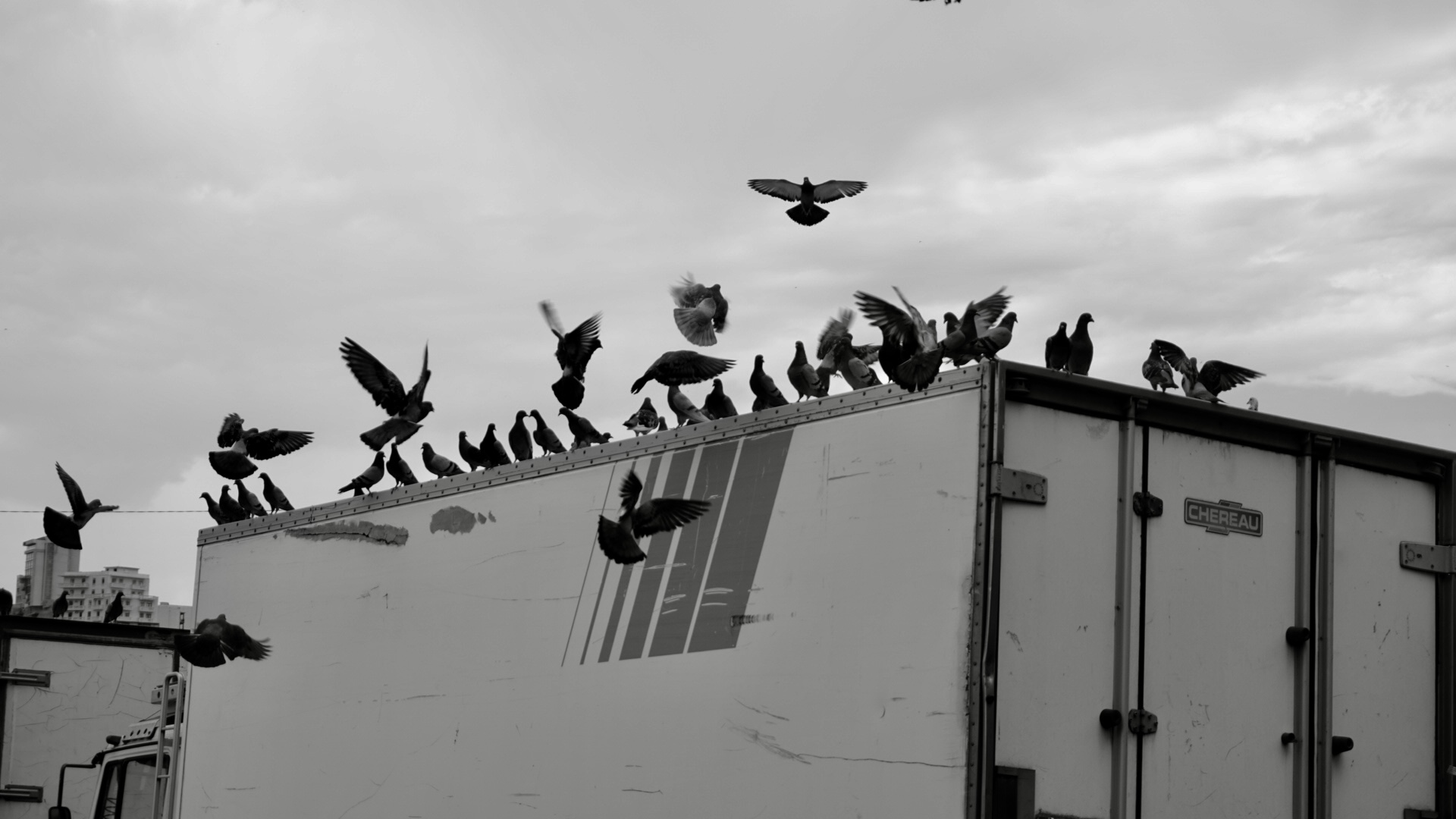
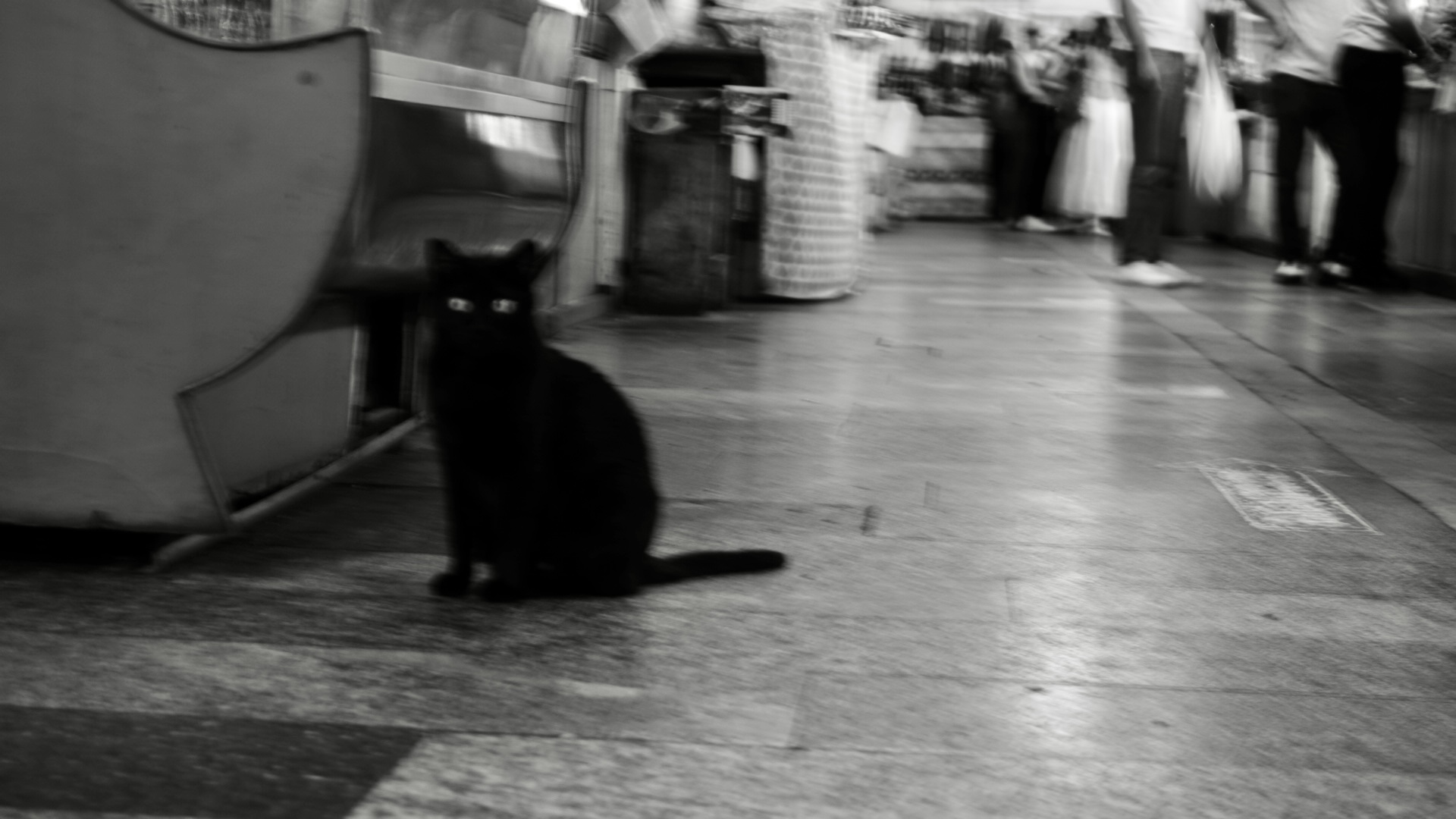
Much had changed. The stalls were different, the surroundings had evolved, and the city around the bazaar had moved forward. But the place was still strangely familiar. I recognized a few faces, and with them came a recognition of something deeper: that solemn sense of fortitude that continues to leave an indelible impression on me.

01
Dezerter Bazaar


bottom of page